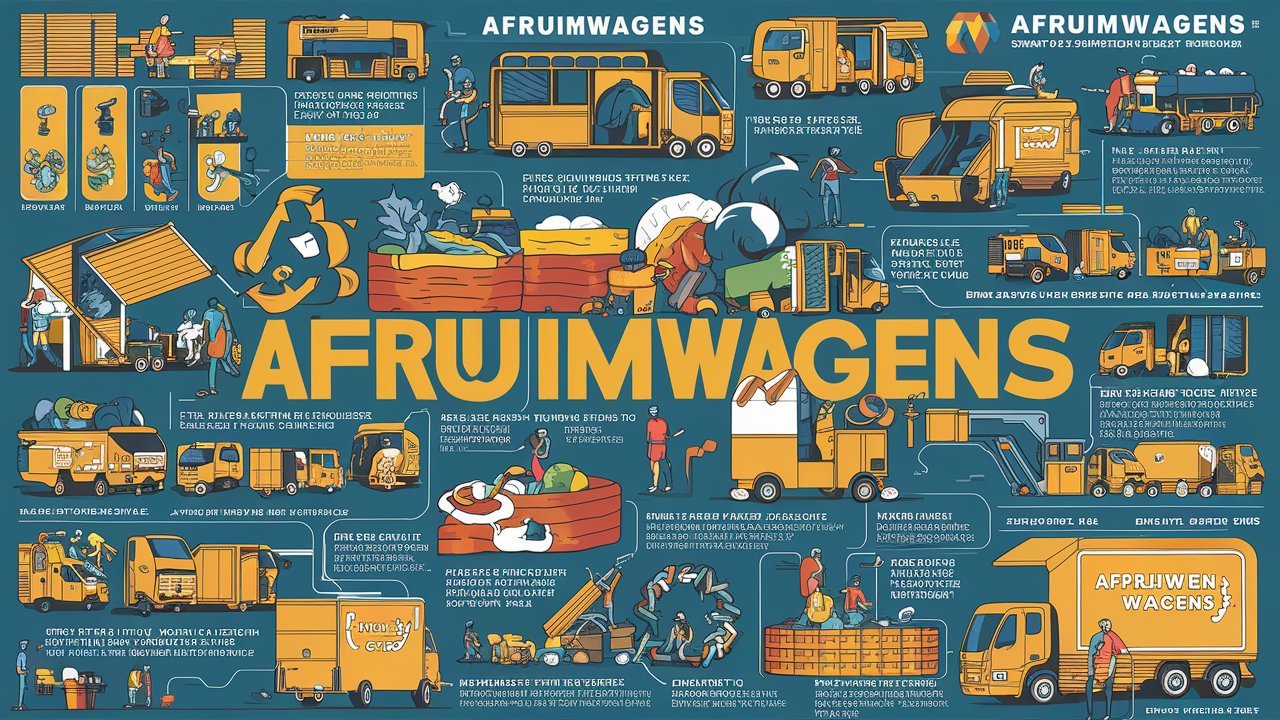
The term afruimwagens refers to specialized vehicles used for removing waste, debris, and unwanted materials from public or private spaces. These vehicles play a vital role in maintaining cleanliness, efficiency, and environmental health in both urban and rural environments. In many regions, the word originates from languages where “afruim” relates to clearing or tidying up and “wagens” refers to vehicles or trucks.
Afruimwagens are commonly associated with municipal sanitation services, construction site cleanup, event waste management, and large-scale disposal operations. Their primary function is to collect and transport various forms of waste to designated disposal or recycling facilities.
In modern society, efficient waste management has become an essential component of sustainable living. Cities, businesses, and communities rely on afruimwagens to ensure that waste materials are removed quickly and responsibly. Without these specialized vehicles, maintaining organized waste disposal systems would be significantly more challenging.
The Role of Afruimwagens in Waste Management Systems
Waste management is one of the most critical services required in modern cities. As populations grow and industries expand, the volume of waste generated daily continues to increase. Afruimwagens provide a practical and efficient solution for collecting and transporting waste materials from various locations.
Municipal authorities typically deploy these vehicles for routine garbage collection and street cleaning operations. They move through neighborhoods, commercial districts, and industrial areas to gather waste from bins, dumpsters, and designated collection points. Once loaded, the vehicles transport the waste to processing centers where it is sorted, recycled, or disposed of properly.
Beyond regular garbage collection, afruimwagens are also essential in emergency cleanup situations. Natural disasters, large public events, and construction projects often generate large amounts of debris. These vehicles help remove the waste quickly, ensuring that affected areas can return to normal operations.
Different Types of Afruimwagens
Not all afruimwagens are identical. Various types of waste removal vehicles exist, each designed for specific tasks. Understanding these types helps illustrate how versatile and important these vehicles are within waste management systems.
Garbage Collection Trucks
Garbage collection trucks are among the most common forms of afruimwagens. They are designed to collect household waste from residential areas. These vehicles often include mechanical lifting systems that allow them to empty waste containers efficiently.
Construction Cleanup Vehicles
Construction projects generate significant amounts of debris, including concrete fragments, wood, metal scraps, and packaging materials. Specialized afruimwagens equipped with large containers or dump beds are used to transport these materials safely.
Street Cleaning Vehicles
Street cleaning afruimwagens focus on maintaining clean public roads. These vehicles often combine vacuum systems, rotating brushes, and water sprayers to remove dust, litter, and debris from urban environments.
Recycling Collection Trucks
Recycling-focused afruimwagens are designed to collect recyclable materials such as plastic, paper, glass, and metal. These vehicles help ensure that valuable resources are reused rather than sent to landfills.
How Afruimwagens Improve Urban Cleanliness
Clean cities depend on reliable waste removal systems, and afruimwagens play a central role in this process. By removing waste regularly, these vehicles prevent the accumulation of garbage that could otherwise lead to unpleasant odors, environmental pollution, and health risks.
In densely populated urban areas, sanitation services must operate continuously to manage the large volumes of waste generated by residents and businesses. Afruimwagens help maintain efficient waste collection schedules, ensuring that garbage is removed before it becomes a public health issue.
In addition to sanitation benefits, these vehicles contribute to the overall appearance and quality of life in cities. Clean streets, parks, and public spaces create a more welcoming environment for residents and visitors alike.
Environmental Benefits of Afruimwagens
Modern waste management strategies emphasize sustainability and environmental responsibility. Afruimwagens support these goals by enabling organized waste collection and transportation.
Many waste removal vehicles now incorporate advanced technologies designed to reduce environmental impact. For example, some vehicles operate using alternative fuels or hybrid systems that reduce greenhouse gas emissions. Others are designed to separate recyclable materials during the collection process, making recycling more efficient.
By ensuring that waste is transported to appropriate facilities, afruimwagens also help prevent illegal dumping and environmental contamination. Proper waste disposal protects natural ecosystems, waterways, and soil from pollution.
Technological Advancements in Afruimwagens
The waste management industry has evolved significantly with the introduction of modern technology. Today’s afruimwagens often include automated lifting systems, GPS tracking, advanced compaction mechanisms, and smart route optimization software.
Automated lifting systems allow drivers to collect waste containers without leaving the vehicle, improving efficiency and safety. Compaction mechanisms compress waste inside the truck, increasing storage capacity and reducing the number of trips required to transport materials.
GPS tracking and route optimization software help sanitation departments design efficient collection routes. This reduces fuel consumption, lowers operational costs, and ensures timely waste removal.
The Growing Importance of Efficient Waste Removal
As cities expand and global populations increase, the demand for efficient waste management continues to grow. Afruimwagens will remain essential for maintaining public health, environmental sustainability, and urban cleanliness.
Governments and municipalities worldwide are investing in improved waste management systems to address the challenges associated with increased waste production. This includes adopting advanced afruimwagens equipped with modern technology and environmentally friendly features.
In the future, waste removal vehicles may become even more sophisticated, integrating automation, artificial intelligence, and eco-friendly technologies to create smarter and more sustainable sanitation systems.
Conclusion
Afruimwagens play an indispensable role in modern waste management systems. These specialized vehicles are responsible for collecting, transporting, and disposing of waste materials in a safe and efficient manner. From residential garbage collection to construction site cleanup, afruimwagens ensure that waste does not accumulate in public spaces.
By supporting organized waste management processes, these vehicles help protect the environment, improve public health, and maintain clean communities. As technology continues to advance, the capabilities of afruimwagens will likely expand, making them even more effective in addressing the growing challenges of waste management.
Understanding the importance of these vehicles highlights how critical infrastructure and specialized equipment contribute to the functioning of modern society.
Frequently Asked Questions (FAQ)
What are afruimwagens?
Afruimwagens are specialized vehicles used for collecting and transporting waste, debris, and unwanted materials from residential, commercial, and industrial areas.
Where are afruimwagens commonly used?
They are widely used in municipal sanitation services, construction cleanup operations, street maintenance programs, and recycling collection systems.
How do afruimwagens help the environment?
These vehicles ensure that waste is transported to proper recycling or disposal facilities, reducing pollution and supporting sustainable waste management practices.
Are there different types of afruimwagens?
Yes, there are several types including garbage collection trucks, construction debris vehicles, street cleaning trucks, and recycling collection vehicles.
Why are afruimwagens important for cities?
They help maintain clean streets, organized waste disposal systems, and healthier living environments for residents and businesses.