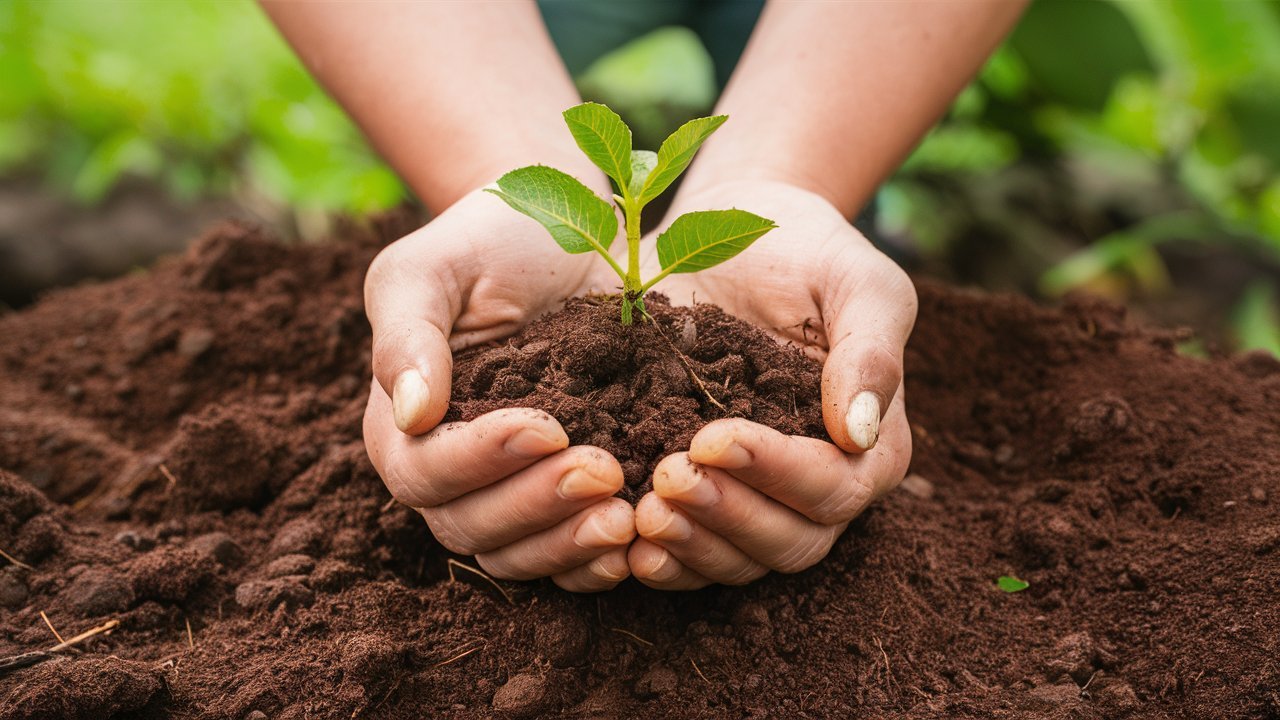
The health of our planet depends heavily on how we manage land, soil, and natural resources. As populations grow and development expands, human activities such as construction, agriculture, and infrastructure projects can significantly affect the stability of soil and landscapes. Without proper planning and protective measures, these activities can lead to soil erosion, sediment runoff, water pollution, and environmental degradation.
To address these challenges, professionals in environmental management, construction, and land development rely on strategies known as earth control measures. These measures are designed to protect soil, manage water runoff, and reduce the negative environmental impact of land disturbance.
An effective earth control measure helps maintain the balance between development and environmental protection. By implementing the right techniques, it is possible to prevent erosion, improve water management, and preserve ecosystems while still allowing for responsible land use.
This comprehensive guide explores what earth control measures are, how they work, their importance in construction and environmental management, and the most effective techniques used today.
What Is an Earth Control Measure?
An earth control measure refers to any technique, practice, or system designed to manage soil movement, prevent erosion, and control sediment runoff during activities that disturb the land.
These measures are commonly used in industries such as:
-
Construction and civil engineering
-
Agriculture and farming
-
Environmental conservation
-
Urban development
-
Road and infrastructure projects
When soil is disturbed by excavation, grading, or vegetation removal, it becomes vulnerable to erosion caused by wind, rain, or flowing water. If left unmanaged, this erosion can damage landscapes, pollute waterways, and reduce soil fertility.
Earth control measures are implemented to stabilize soil, control water flow, and protect surrounding ecosystems.
Why Earth Control Measures Are Important
Earth control measures play a critical role in protecting both the environment and human infrastructure. When soil erosion occurs unchecked, it can cause serious environmental and economic problems.
Preventing Soil Erosion
One of the main purposes of earth control measures is to prevent soil from being washed or blown away. Soil erosion can reduce agricultural productivity and damage natural landscapes.
Protecting Water Quality
When loose soil enters rivers, lakes, or drainage systems, it can lead to water pollution and sediment buildup. Proper earth control measures prevent this runoff from contaminating water sources.
Supporting Sustainable Development
Construction and land development projects must balance economic growth with environmental protection. Earth control measures allow development to proceed while minimizing environmental impact.
Reducing Flood Risk
By managing water runoff effectively, earth control measures help reduce flooding and drainage problems in developed areas.
Common Types of Earth Control Measures
Different types of earth control measures are used depending on the land conditions, project size, and environmental requirements. Some of the most commonly used techniques include physical barriers, vegetation strategies, and drainage systems.
Vegetation and Plant-Based Control Methods
Vegetation is one of the most natural and effective ways to stabilize soil. Plants help hold soil in place with their roots, preventing erosion caused by wind and rain.
Grass Seeding
Planting grass on exposed soil helps create a protective layer that reduces erosion and improves soil stability.
Reforestation
Planting trees and shrubs in disturbed areas helps restore ecosystems and strengthen soil structure over time.
Ground Cover Plants
Low-growing plants can cover large areas of soil, protecting it from rainfall impact and surface runoff.
Structural Earth Control Measures
Structural solutions are often used in construction projects where soil disturbance is significant.
Silt Fences
Silt fences are temporary barriers designed to capture sediment and prevent soil from leaving construction sites.
Retaining Walls
Retaining walls provide physical support that prevents soil from sliding or collapsing on slopes.
Terracing
Terracing involves creating step-like structures on slopes to slow down water flow and reduce erosion.
Water Drainage and Runoff Control
Managing water flow is another important part of earth control measures. Excessive runoff can carry soil away from disturbed areas.
Drainage Channels
Channels and trenches direct water safely away from sensitive areas.
Sediment Basins
Sediment basins collect water runoff and allow soil particles to settle before the water flows into natural waterways.
Stormwater Management Systems
Advanced drainage systems are often installed in urban development projects to control stormwater runoff and prevent flooding.
Earth Control Measures in Construction Projects
Construction sites are among the most common places where earth control measures are necessary. Activities such as excavation, grading, and foundation building disturb large amounts of soil.
Without proper controls, construction sites can cause:
-
Sediment pollution in nearby waterways
-
Loss of topsoil
-
Damage to surrounding vegetation
-
Drainage problems
To prevent these issues, developers implement erosion and sediment control plans that outline specific measures to be used during construction.
These plans often include temporary barriers, drainage systems, soil stabilization techniques, and vegetation restoration strategies.
Environmental Benefits of Earth Control Measures
The environmental benefits of implementing effective earth control measures are significant.
These measures help protect natural ecosystems, wildlife habitats, and water resources. By preventing soil erosion, they maintain the fertility of the land and reduce the impact of human development on natural landscapes.
In addition, earth control measures contribute to sustainable land management, ensuring that future generations can continue to benefit from healthy ecosystems and stable environments.
The Future of Earth Control Measures
As environmental awareness continues to grow, new technologies and strategies are being developed to improve soil protection and land management.
Future innovations may include:
-
Smart monitoring systems for erosion detection
-
Advanced sustainable landscaping techniques
-
Eco-friendly construction materials
-
Improved stormwater management technologies
These developments will help make earth control measures even more effective in protecting the environment.
Conclusion
An earth control measure is a vital strategy used to protect soil, manage water runoff, and reduce environmental damage caused by land disturbance. Whether used in construction, agriculture, or environmental conservation, these measures play a crucial role in maintaining the stability and health of natural landscapes.
By implementing effective erosion control methods, managing drainage systems, and promoting vegetation growth, professionals can ensure that development projects proceed responsibly without harming the environment.
As global awareness of environmental sustainability continues to increase, earth control measures will remain essential tools for balancing human progress with environmental protection.
Frequently Asked Questions (FAQ)
What is an earth control measure?
An earth control measure is a method used to prevent soil erosion, control sediment runoff, and protect the environment during land disturbance.
Where are earth control measures used?
They are commonly used in construction projects, agriculture, road building, and environmental conservation programs.
Why are earth control measures important?
They help protect soil, maintain water quality, and reduce environmental damage caused by erosion and runoff.
What are examples of earth control measures?
Examples include silt fences, vegetation planting, terracing, drainage systems, sediment basins, and retaining walls.
How do earth control measures support sustainability?
They promote responsible land management and environmental protection, helping maintain healthy ecosystems for the future.