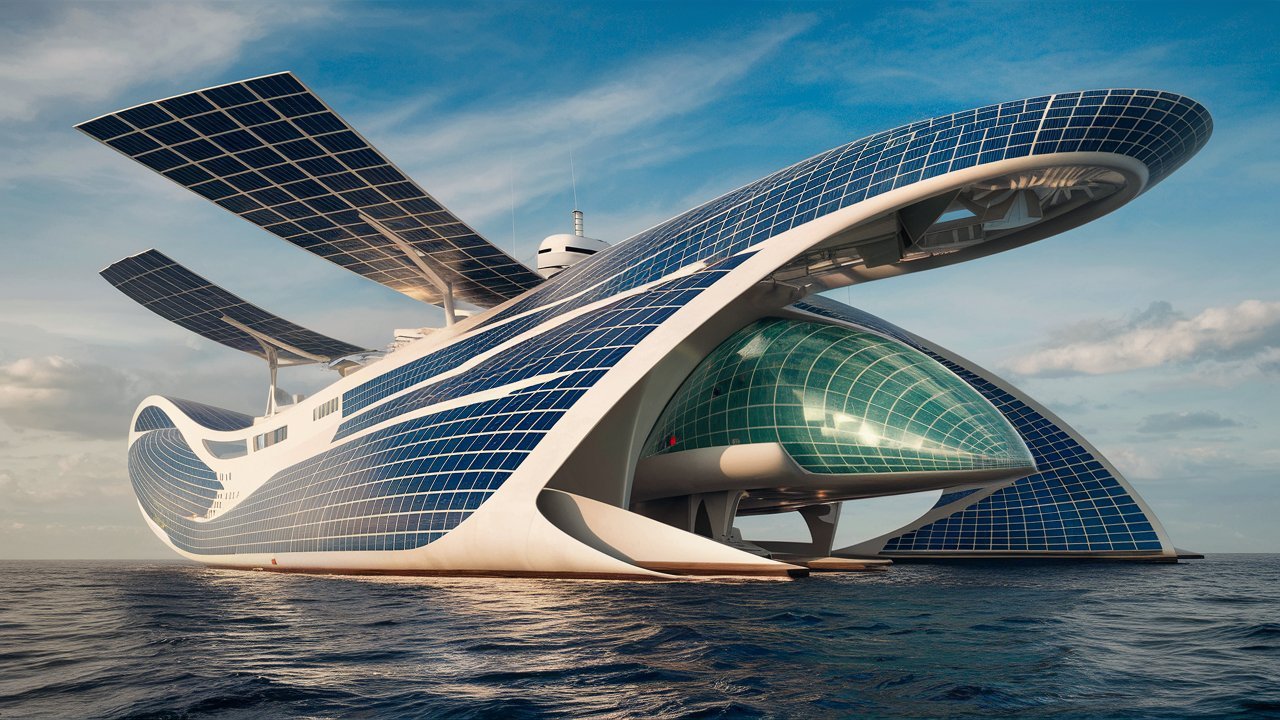
The demand for renewable energy solutions continues to grow as businesses, governments, and homeowners seek cleaner and more cost-effective alternatives to fossil fuels. Among the most transformative technologies in this transition is photovoltaic solar energy, a system that converts sunlight directly into electricity. In this landscape, HMS Photovoltaik has emerged as a notable name associated with advanced solar systems, efficient energy conversion, and sustainable power infrastructure. As the global solar market expands rapidly, understanding the capabilities, services, and technological advantages connected with HMS Photovoltaik becomes essential for anyone exploring solar investments, commercial installations, or long-term energy independence strategies.
This comprehensive guide explores the concept of HMS Photovoltaik, its role in the solar energy sector, key benefits of photovoltaic systems, and how such solutions contribute to environmental sustainability and financial efficiency. Through detailed analysis and structured insights, we provide a resource designed to address both informational and transactional search intent.
SEO-Optimized Title Ideas and Keyword Explanation
Below are high-impact title options incorporating primary and secondary keywords relevant to HMS Photovoltaik and the broader solar energy industry.
1. HMS Photovoltaik Solutions: Advanced Solar Energy Systems for Modern Infrastructure
Keywords Used: HMS Photovoltaik, solar energy systems, modern infrastructure
This title targets audiences searching for innovative solar installations and highlights technical advancement and infrastructure relevance.
2. Why HMS Photovoltaik Is Leading the Renewable Energy Transition
Keywords Used: HMS Photovoltaik, renewable energy transition
This variation appeals to environmentally conscious readers and investors seeking forward-looking solar companies.
3. HMS Photovoltaik Technology Explained: Efficiency, Sustainability, and ROI
Keywords Used: HMS Photovoltaik technology, solar efficiency, return on investment
This title focuses on performance metrics and financial benefits, appealing to commercial and residential decision-makers.
4. Commercial and Residential Solar Power with HMS Photovoltaik Systems
Keywords Used: commercial solar power, residential solar systems, HMS Photovoltaik
This approach targets users evaluating solar installation services for different property types.
Understanding HMS Photovoltaik and Solar Power Technology
Photovoltaik, derived from the word photovoltaic, refers to the process of converting sunlight into electrical energy using semiconductor materials. HMS Photovoltaik solutions typically integrate high-efficiency solar modules, inverters, mounting systems, and monitoring technologies to create optimized solar power installations. These systems are designed to maximize energy output while minimizing operational losses.
At the core of any photovoltaic installation are solar panels composed of silicon-based cells that absorb photons from sunlight. When sunlight strikes these cells, it generates a flow of electrons, creating direct current (DC) electricity. This electricity is then converted into alternating current (AC) through inverters, allowing it to power homes, businesses, and industrial facilities.
Modern photovoltaic systems emphasize not only energy generation but also digital monitoring, smart grid compatibility, and long-term durability. HMS Photovoltaik systems may include advanced tracking mechanisms that adjust panel angles to capture optimal sunlight exposure throughout the day, significantly increasing energy yield compared to fixed installations.
Key Benefits of HMS Photovoltaik Systems
1. Energy Independence and Cost Reduction
One of the most compelling advantages of installing a photovoltaic system is energy independence. By generating electricity on-site, property owners reduce reliance on traditional utility providers and shield themselves from rising electricity tariffs. Over time, solar installations can significantly lower operational expenses, particularly for commercial facilities with high daytime energy consumption.
Return on investment (ROI) becomes especially attractive when government incentives, feed-in tariffs, or net metering programs are available. Businesses often experience predictable payback periods, after which electricity production essentially becomes a low-cost energy source for decades.
2. Environmental Sustainability
Solar energy produces no direct greenhouse gas emissions during operation. By adopting HMS Photovoltaik solutions, organizations contribute to reduced carbon footprints and improved environmental performance metrics. This is increasingly important as sustainability reporting and ESG (Environmental, Social, and Governance) standards gain prominence across industries.
The transition to renewable energy supports global climate goals and decreases dependence on fossil fuels. Over the lifespan of a photovoltaic system, thousands of kilograms of CO₂ emissions can be avoided compared to traditional electricity generation.
3. Scalability and Flexibility
Photovoltaic installations are highly scalable. Residential systems may range from small rooftop arrays designed to offset household consumption, while industrial facilities can deploy large-scale solar farms covering expansive areas. HMS Photovoltaik systems can be customized according to energy demand, structural constraints, and future expansion plans.
This flexibility makes solar technology suitable for diverse applications including office buildings, manufacturing plants, agricultural facilities, and public institutions.
Commercial Applications of HMS Photovoltaik
Commercial and industrial sectors represent significant opportunities for photovoltaic integration. Large rooftops and unused land areas provide ideal conditions for solar panel deployment. Businesses benefit not only from reduced electricity costs but also from enhanced brand reputation associated with sustainability leadership.
Energy-intensive operations such as logistics centers, data centers, and production facilities often experience peak electricity usage during daylight hours, aligning perfectly with solar energy generation cycles. By integrating HMS Photovoltaik systems, companies can optimize consumption patterns and improve energy efficiency ratios.
Moreover, businesses may integrate battery storage solutions to capture surplus energy generated during peak sunlight hours. Stored energy can then be utilized during evening operations or grid outages, enhancing operational resilience.
Residential Solar Energy with HMS Photovoltaik
Homeowners increasingly recognize solar energy as both an environmental and financial investment. Residential photovoltaic systems can significantly reduce monthly electricity bills while increasing property value. In many regions, properties equipped with solar installations command higher market prices due to reduced energy dependency.
HMS Photovoltaik residential systems are typically designed with aesthetic integration in mind, ensuring that rooftop panels complement architectural styles while maintaining maximum efficiency. Smart monitoring apps allow homeowners to track energy production and consumption in real time, creating greater awareness and control over household energy usage.
Additionally, combining photovoltaic systems with electric vehicle charging stations further enhances sustainability benefits, enabling households to power transportation with renewable energy.
Technological Advancements in Photovoltaic Systems
The photovoltaic industry continues to evolve with improvements in cell efficiency, material durability, and digital integration. High-efficiency monocrystalline panels now offer greater output per square meter, making installations viable even on limited roof space. Advanced inverters optimize power conversion rates and include safety features such as rapid shutdown capabilities.
Artificial intelligence and predictive analytics are increasingly integrated into monitoring platforms, allowing system operators to detect performance irregularities early and conduct preventative maintenance. Such innovations improve long-term reliability and maximize total energy yield over the lifespan of the system.
As battery storage costs decline, integrated solar-plus-storage systems are becoming more accessible, providing uninterrupted power supply during grid disruptions and enhancing overall system value.
Economic Outlook of the Solar Energy Market
Global solar capacity continues to expand year over year as technological costs decrease and environmental policies strengthen. Photovoltaic installations now represent one of the fastest-growing energy segments worldwide. Government incentives, tax credits, and renewable energy targets further accelerate adoption.
For investors and businesses evaluating HMS Photovoltaik solutions, the long-term economic outlook remains favorable. Declining installation costs combined with increasing electricity prices create a strong economic case for transitioning to solar power.
Furthermore, corporate sustainability commitments often drive investment decisions, positioning solar energy as both a financial and strategic asset.
Conclusion
HMS Photovoltaik represents a significant opportunity within the renewable energy landscape, offering scalable, efficient, and environmentally responsible solar energy solutions. From residential rooftops to industrial-scale installations, photovoltaic systems provide long-term cost savings, energy independence, and measurable sustainability benefits. As technological advancements continue to enhance efficiency and reliability, the adoption of solar energy becomes increasingly accessible and financially compelling.
In a world prioritizing environmental stewardship and energy security, investing in photovoltaic technology is not merely a trend but a strategic decision for sustainable growth and operational resilience.
Frequently Asked Questions (FAQ)
What is HMS Photovoltaik?
HMS Photovoltaik refers to solar energy solutions that utilize photovoltaic technology to convert sunlight into electricity for residential, commercial, or industrial use.
How long do photovoltaic systems last?
Most solar panel systems have a lifespan of 25 to 30 years, with performance gradually declining at a minimal annual rate.
Are HMS Photovoltaik systems suitable for small homes?
Yes, photovoltaic systems are scalable and can be designed specifically for smaller residential properties.
What factors influence solar system efficiency?
Panel quality, sunlight exposure, installation angle, inverter performance, and system maintenance all affect overall efficiency.
Is solar energy financially worthwhile?
In most cases, solar installations provide long-term savings, especially when combined with government incentives and net metering programs.hms photovoltaik