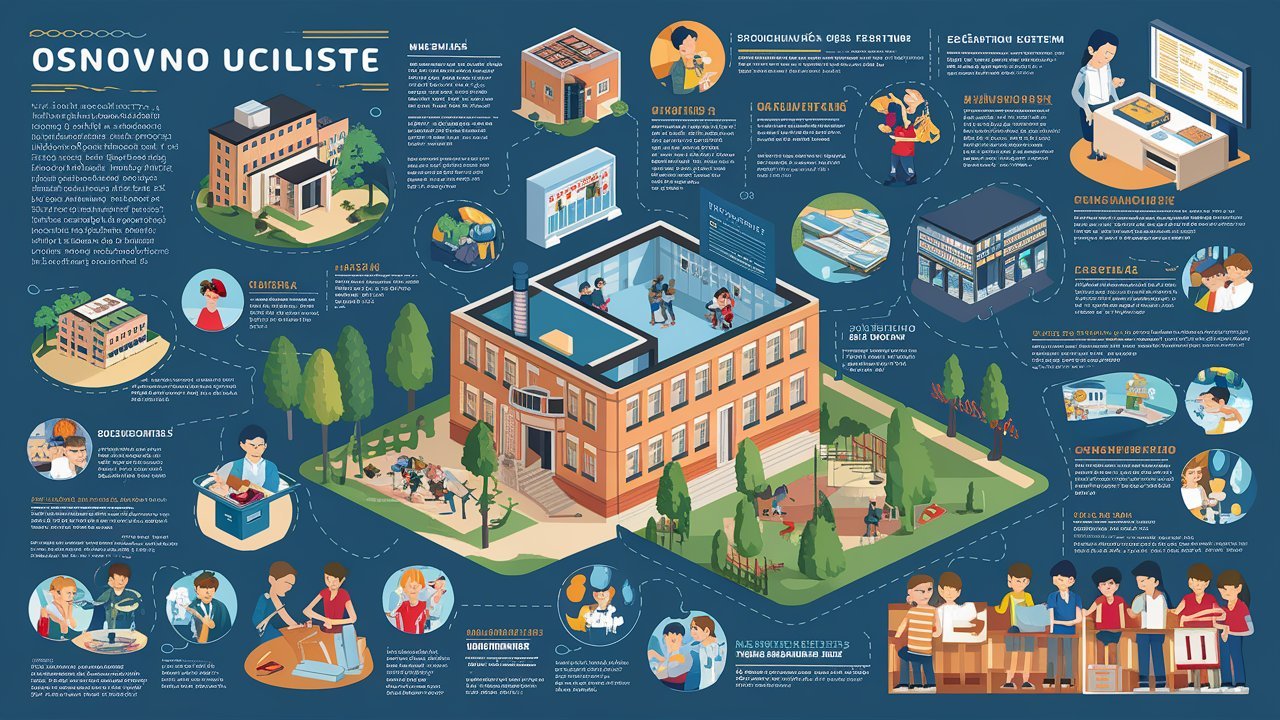
Education plays a crucial role in shaping the future of individuals and societies. The foundation of every successful education system begins with strong primary schooling that introduces children to basic knowledge, social skills, and intellectual development. In many European countries, the term osnovno uciliste refers to a fundamental stage of education where children begin their academic journey and develop essential learning skills.
The phrase osnovno uciliste originates from South Slavic languages and is commonly used in countries such as Slovenia, Croatia, and Bosnia and Herzegovina to describe primary or elementary school. These institutions form the backbone of the education system by providing structured learning environments for young students during their early academic years.
Understanding the concept of osnovno uciliste is important for anyone studying international education systems or exploring how primary schooling works in different countries. This article provides a comprehensive explanation of the meaning, structure, curriculum, and significance of osnovno uciliste, highlighting its role in developing the educational foundation that prepares students for future academic success.
What Is Osnovno Uciliste?
The term osnovno uciliste literally translates to “basic school” or “primary school.” It represents the first formal stage of compulsory education in several European countries. Students typically begin attending osnovno uciliste at the age of six or seven and continue for several years as they develop foundational academic skills.
During this stage, children learn essential subjects that help them build the knowledge and abilities needed for higher levels of education. These subjects include reading, writing, mathematics, science, and social studies, as well as creative and physical activities.
The goal of osnovno uciliste is not only to teach academic subjects but also to help students develop social awareness, communication skills, and personal responsibility. By creating a supportive and structured learning environment, primary schools ensure that children receive the guidance and encouragement needed to grow intellectually and emotionally.
Structure of Osnovno Uciliste
Early Education Stages
The structure of osnovno uciliste generally includes multiple grade levels that gradually introduce more complex subjects. The first years focus on fundamental skills such as literacy and numeracy. Teachers use interactive teaching methods to ensure that young students understand basic concepts while enjoying the learning process.
These early years are particularly important because they shape the way children approach learning and problem-solving throughout their academic careers.
Intermediate Learning Levels
As students progress through osnovno uciliste, the curriculum becomes more diverse and challenging. In addition to core subjects, students begin studying areas such as history, geography, arts, and technology. Teachers also encourage critical thinking and teamwork, helping students develop the skills necessary to collaborate and solve problems effectively.
This stage often introduces structured assessments that measure students’ understanding of the material while preparing them for the expectations of secondary education.
Final Primary Education Years
The final years of osnovno uciliste prepare students for the transition to secondary school. At this stage, the curriculum becomes more advanced, and students are expected to demonstrate a deeper understanding of academic subjects.
Teachers guide students in developing independent learning habits and stronger analytical skills. By the time students complete this stage, they are ready to continue their education in more specialized academic environments.
Curriculum in Osnovno Uciliste
The curriculum of osnovno uciliste is designed to provide a balanced education that includes both academic knowledge and personal development. Core subjects typically include:
-
Language and literature
-
Mathematics
-
Natural sciences
-
Social studies
-
Foreign languages
-
Art and music
-
Physical education
In addition to these subjects, many schools incorporate modern teaching tools and digital learning resources to enhance the educational experience. This approach ensures that students develop both traditional academic skills and the technological literacy required in the modern world.
Importance of Osnovno Uciliste in Student Development
Primary education institutions such as osnovno uciliste play a vital role in shaping the intellectual and social development of young learners. These schools provide a structured environment where students can explore their interests, develop confidence, and learn how to interact with others.
The skills acquired during this stage form the foundation for future academic success. Students learn how to read effectively, solve mathematical problems, communicate clearly, and think critically about the world around them. These abilities remain essential throughout their lives, influencing both personal growth and career opportunities.
Modern Developments in Primary Education
In recent years, many osnovno uciliste institutions have adopted innovative teaching strategies to adapt to changing educational needs. Technology integration, interactive learning methods, and project-based education have become increasingly common.
Digital tools allow teachers to create engaging lessons that encourage students to explore topics in creative ways. At the same time, educators emphasize the importance of collaboration, creativity, and problem-solving skills.
These developments ensure that primary education continues to evolve in response to new challenges and opportunities in the modern world.
Conclusion
The concept of osnovno uciliste represents the essential foundation of the education system in several European countries. As the first stage of formal schooling, it provides children with the knowledge, skills, and experiences needed to succeed in their academic journeys. Through structured learning environments and well-designed curricula, these schools help students develop literacy, numeracy, critical thinking, and social skills.
Understanding the role of osnovno uciliste highlights the importance of strong primary education in building successful societies. By nurturing curiosity, creativity, and discipline in young learners, primary schools lay the groundwork for lifelong learning and personal development.
As education systems continue to evolve with new technologies and teaching methods, the principles behind osnovno uciliste remain central to ensuring that every child receives a solid start in their educational journey.
Frequently Asked Questions (FAQ)
1. What does osnovno uciliste mean?
Osnovno uciliste means primary school or elementary school, referring to the first stage of formal education.
2. At what age do students attend osnovno uciliste?
Students usually begin attending osnovno uciliste around the age of six or seven.
3. What subjects are taught in osnovno uciliste?
Common subjects include language, mathematics, science, social studies, arts, and physical education.
4. Why is osnovno uciliste important?
It provides the foundation of education, helping children develop essential academic and social skills.
5. What happens after osnovno uciliste?
After completing osnovno uciliste, students typically move on to secondary education, where they continue learning more advanced subjects.