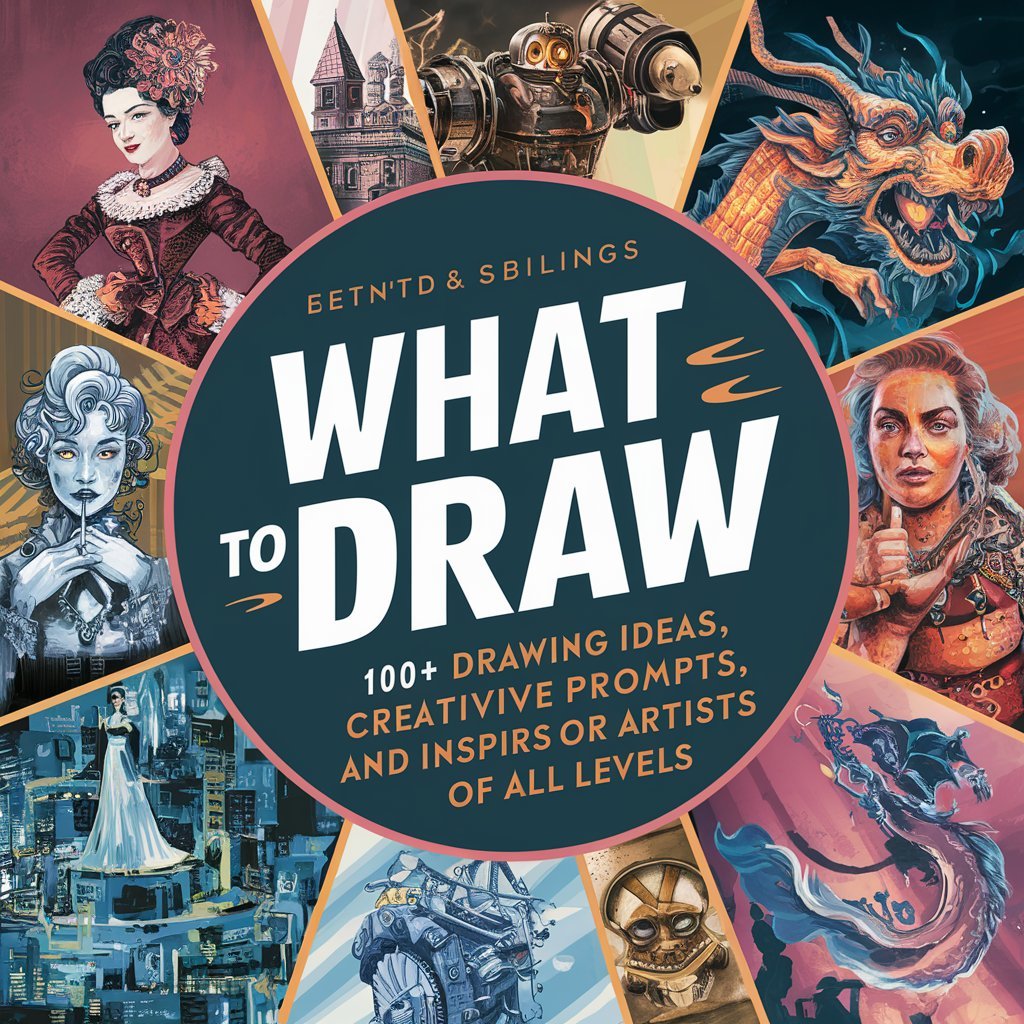
Every artist, whether a beginner or a professional, has faced the question: “What should I draw?” Creative blocks are a natural part of the artistic journey, but they can be frustrating when inspiration runs dry. The good news is that drawing ideas are everywhere—hidden in everyday life, emotions, nature, and imagination. Knowing what to draw is not just about finding a subject; it’s about reconnecting with creativity, exploring new techniques, and expressing personal vision through art.
This comprehensive guide explores drawing ideas, creative prompts, and easy things to draw for artists of all skill levels. From beginner drawing ideas to advanced artistic challenges, this article provides inspiration to help overcome boredom, spark imagination, and develop artistic confidence. Whether sketching casually or building a portfolio, these art ideas will help transform blank pages into meaningful creations.
Finding Drawing Inspiration: How to Discover What to Draw
The first step in deciding what to draw is understanding where inspiration comes from. Creativity often thrives when artists observe the world with curiosity. Everyday objects, emotions, and experiences can become powerful sources of drawing inspiration.
Nature, for example, offers endless possibilities—trees, flowers, animals, and landscapes all provide opportunities to practice form, texture, and shading. Similarly, urban environments inspire drawing ideas through architecture, people, and movement. Even mundane objects like coffee cups, shoes, or books can become fascinating subjects when viewed from a new perspective.
Another effective way to find drawing inspiration is through emotions and storytelling. Artists can express feelings such as joy, nostalgia, or solitude through symbolic imagery or abstract compositions. Music, literature, and dreams also serve as creative triggers, helping artists visualize concepts that go beyond the physical world.
When struggling with what to draw when bored, it helps to set small challenges—such as drawing one object a day or experimenting with a new medium. These exercises not only reignite creativity but also build discipline and artistic growth.
Easy Things to Draw for Beginners
For those new to art, starting with easy drawings helps build confidence and develop foundational skills. Beginner drawing ideas should focus on simple shapes, lines, and forms that gradually lead to more complex compositions.
Some easy things to draw include everyday objects like fruits, plants, or household items. Drawing a cup, a leaf, or a candle teaches proportion, perspective, and shading. Animals such as cats, birds, or fish are also great subjects for beginners because they allow practice with curves and textures.
Another fun approach is to draw cartoon characters or doodles. These easy drawings encourage creativity without the pressure of perfection. Artists can experiment with facial expressions, body language, and exaggerated features to develop their unique style.
For those wondering what to draw when bored, try sketching patterns, mandalas, or geometric shapes. These repetitive designs are relaxing and improve hand control. Over time, these simple exercises evolve into more detailed and imaginative works.
Creative Drawing Prompts to Spark Imagination
When inspiration feels distant, creative drawing prompts can reignite artistic energy. Prompts challenge artists to think differently, explore new ideas, and step outside their comfort zones.
Here are some drawing prompts to inspire creativity:
- Draw your favorite memory as a surreal dream.
- Illustrate a world where gravity doesn’t exist.
- Create a self-portrait using only geometric shapes.
- Design a creature that combines two different animals.
- Draw an emotion as an abstract pattern.
- Imagine a city floating in the clouds.
- Sketch a scene from your favorite song.
- Draw what happiness looks like to you.
- Create a futuristic invention that solves a modern problem.
- Illustrate a day in the life of your pet from their perspective.
These creative prompts encourage experimentation and storytelling. They help artists explore imagination while improving technical skills. By combining observation with fantasy, artists can discover new ways to express themselves and find endless drawing inspiration.
Drawing Ideas for When You’re Bored
Boredom can be a surprising source of creativity. When the mind is free from distractions, it becomes more open to new ideas. If you’re wondering what to draw when bored, the key is to start small and let curiosity guide the process.
Try sketching random objects around you—a pen, a plant, or your reflection in a window. Turn ordinary items into extraordinary compositions by changing angles, lighting, or scale. Another idea is to draw from memory or imagination. Recreate a childhood scene, design a fantasy landscape, or invent a new character.
Drawing ideas can also come from challenges such as “draw this in your style” or “one-minute sketches.” These exercises push creativity and help artists break free from perfectionism. For those who enjoy storytelling, comic strips or visual diaries are excellent ways to combine art and narrative.
When boredom strikes, remember that every line drawn is progress. Even simple doodles can lead to unexpected inspiration and artistic breakthroughs.
Beginner Drawing Ideas to Build Skill and Confidence
For beginners, the journey of learning to draw is about exploration and practice. Beginner drawing ideas should focus on developing observation, proportion, and shading skills while keeping the process enjoyable.
Start with basic shapes—circles, squares, and triangles—and use them to construct more complex forms like faces, animals, or buildings. Practice sketching from life by drawing objects on your desk or scenes from your surroundings. This improves hand-eye coordination and helps artists understand perspective.
Another effective exercise is gesture drawing, which captures movement and energy. Drawing people or animals in motion teaches fluidity and rhythm. Beginners can also experiment with still life compositions, focusing on light, shadow, and texture.
To stay motivated, set achievable goals such as completing one sketch per day or filling a sketchbook each month. Over time, these small steps lead to noticeable improvement and a deeper understanding of artistic techniques.
Advanced Drawing Ideas for Creative Growth
Once foundational skills are established, artists can explore more complex drawing ideas that challenge creativity and technique. Advanced projects often involve storytelling, symbolism, and emotional depth.
Try creating a series of drawings around a central theme, such as time, identity, or transformation. Experiment with mixed media by combining pencil, ink, and watercolor. Study anatomy, architecture, or nature to refine accuracy and detail.
Artists can also explore conceptual art—drawing ideas that express abstract thoughts or social commentary. For example, illustrating the contrast between technology and nature or visualizing emotions like anxiety or hope. These projects push boundaries and encourage personal expression.
By continuously experimenting with new art ideas, artists evolve their style and discover unique voices within their work.
How to Stay Inspired and Overcome Artist’s Block
Every artist experiences creative blocks, but they can be overcome with the right mindset and habits. To stay inspired, surround yourself with creativity—visit galleries, read books, listen to music, or explore nature. Inspiration often strikes when least expected.
Keeping a sketchbook is one of the best ways to maintain momentum. Use it to jot down drawing ideas, doodles, or visual notes. Don’t worry about perfection; focus on exploration. Joining art communities, both online and offline, also helps. Sharing work and receiving feedback fosters motivation and growth.
When struggling with what to draw, revisit old sketches and reimagine them in new styles. Set creative challenges, such as drawing with your non-dominant hand or using limited colors. These playful exercises reignite curiosity and remind artists that creativity is a journey, not a destination.
Conclusion
Knowing what to draw is not about finding the perfect subject—it’s about embracing curiosity, experimentation, and self-expression. Whether exploring easy drawings, beginner drawing ideas, or creative prompts, every sketch contributes to artistic growth. The key is to keep drawing, even when inspiration feels distant.
Art thrives on observation, imagination, and persistence. By seeking drawing inspiration from everyday life, emotions, and dreams, artists can transform blank pages into reflections of their inner world. So the next time you wonder what to draw when bored, remember that creativity begins with a single line—and endless possibilities follow.
Frequently Asked Questions (FAQ)
1. What should I draw when I’m bored?
Try drawing everyday objects, doodles, or imaginative scenes. Simple sketches like plants, animals, or faces are great ways to stay creative.
2. How do I find drawing inspiration?
Observe your surroundings, explore nature, listen to music, or use creative prompts. Inspiration often comes from ordinary experiences.
3. What are some easy things to draw for beginners?
Start with simple shapes, fruits, flowers, or cartoon characters. These subjects help build confidence and improve basic drawing skills.
4. How can I overcome artist’s block?
Set small challenges, experiment with new materials, or revisit old sketches. Taking breaks and exploring other art forms can also help.
5. What are creative drawing prompts?
Prompts are ideas or challenges that inspire new artwork, such as “draw your dream world” or “illustrate an emotion.”
6. How can I improve my drawing skills?
Practice regularly, study anatomy and perspective, and experiment with different techniques. Consistency is key to improvement.
7. What are good beginner drawing ideas?
Try sketching still life objects, simple landscapes, or animals. Focus on observation and proportion before moving to complex subjects.
8. Can I find drawing ideas online?
Yes, many websites and art communities share daily prompts, tutorials, and inspiration for artists of all levels.
9. What should I draw to express emotions?
Use abstract shapes, colors, and symbols to represent feelings. Drawing emotions helps connect art with personal experience.
10. Why is drawing every day important?
Daily drawing builds discipline, improves technique, and keeps creativity flowing. Even small sketches contribute to long-term artistic growth.